Earthing in Solar Plants: Why It Impacts Performance Ratio, Not Just Safety
By Aman Yadav |
Earthing in solar plants is usually discussed only from a safety and compliance perspective. In real operating solar PV plants, poor earthing causes something far more damaging.
It leads to inverter trips, availability losses, and unexplained drops in Performance Ratio, even when irradiance and temperature conditions are ideal. This article explains why grounding quality directly impacts solar plant performance metrics and why engineers must treat earthing as a performance variable, not just a checklist item.
What Is Earthing in a Solar Power Plant?
Earthing is the process of connecting exposed conductive parts of a solar plant to a stable ground reference.
In PV systems, this includes module frames, inverter enclosures, AC panels, and sometimes DC reference points. The objective is not only fault protection. Proper earthing controls leakage currents, stabilizes voltage reference, and limits electrical noise.
When earthing resistance increases or grounding paths degrade, system behavior changes even if no visible electrical fault is present.
The Direct Link Between Earthing and Performance Ratio (PR)
Performance Ratio is not only a measure of module efficiency but it also includes inverter availability, electrical losses, and system uptime.
Poor earthing increases the probability of inverter protection events such as ground fault detection, residual current alarms, and EMI-related shutdowns. Each event interrupts generation even when irradiance and temperature are ideal. The result is a PR drop that cannot be explained by weather variation, soiling, or degradation alone.
You can understand this relationship better using a proper Performance Ratio (PR) analysis
Leakage Currents, EMI Noise, and Inverter Trips

Modern grid-tied inverters continuously monitor leakage current to earth as part of their protection logic. These measurements are sensitive to grounding impedance and stability.
High earth resistance or poorly bonded grounding systems increase common-mode voltage fluctuations. This raises leakage current levels inside the inverter.
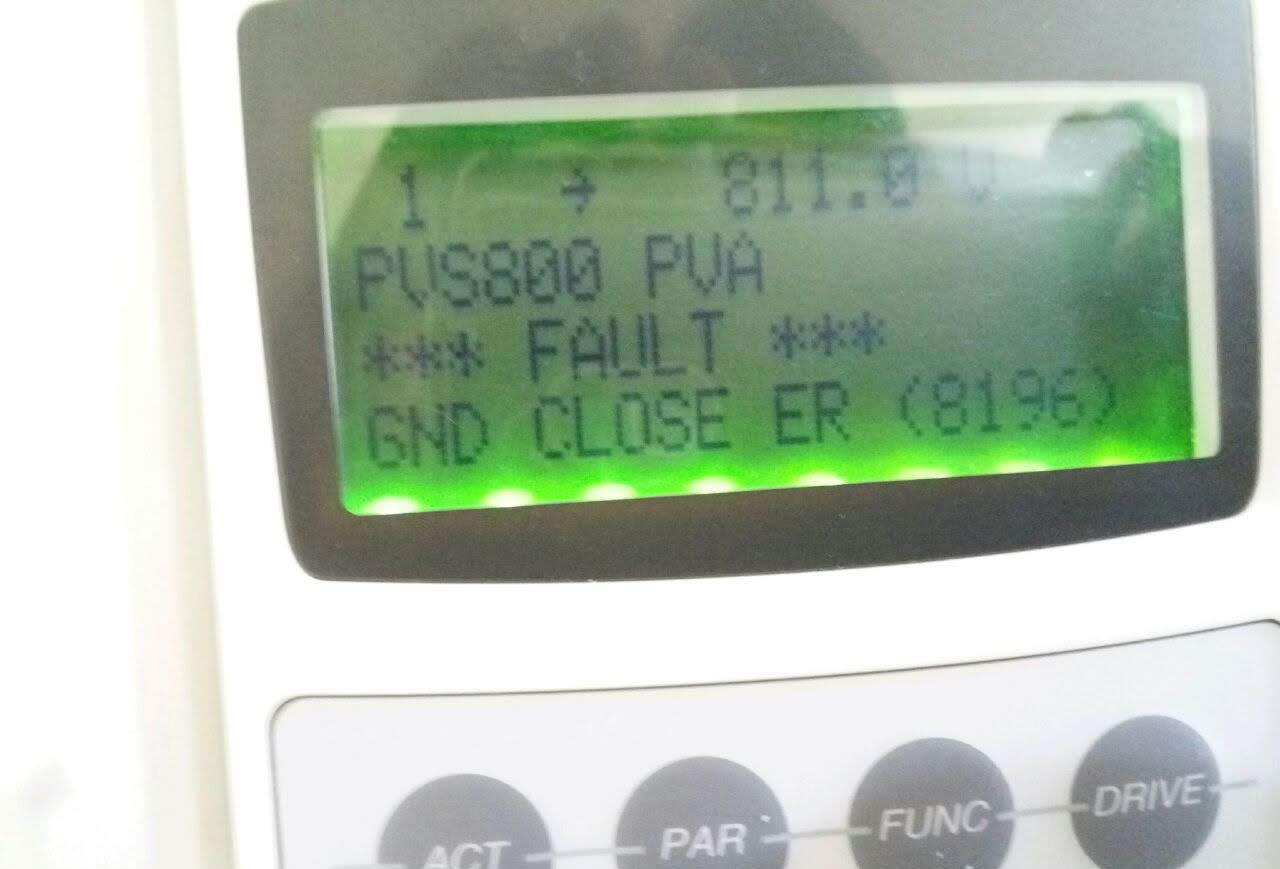
In utility-scale plants, even a moderate increase in earth resistance can trigger these issues. Field measurements show that when effective earthing resistance rises beyond typical design targets (often below 2–5 ohms), modern inverters become more prone to nuisance tripping due to elevated leakage current and unstable ground reference.
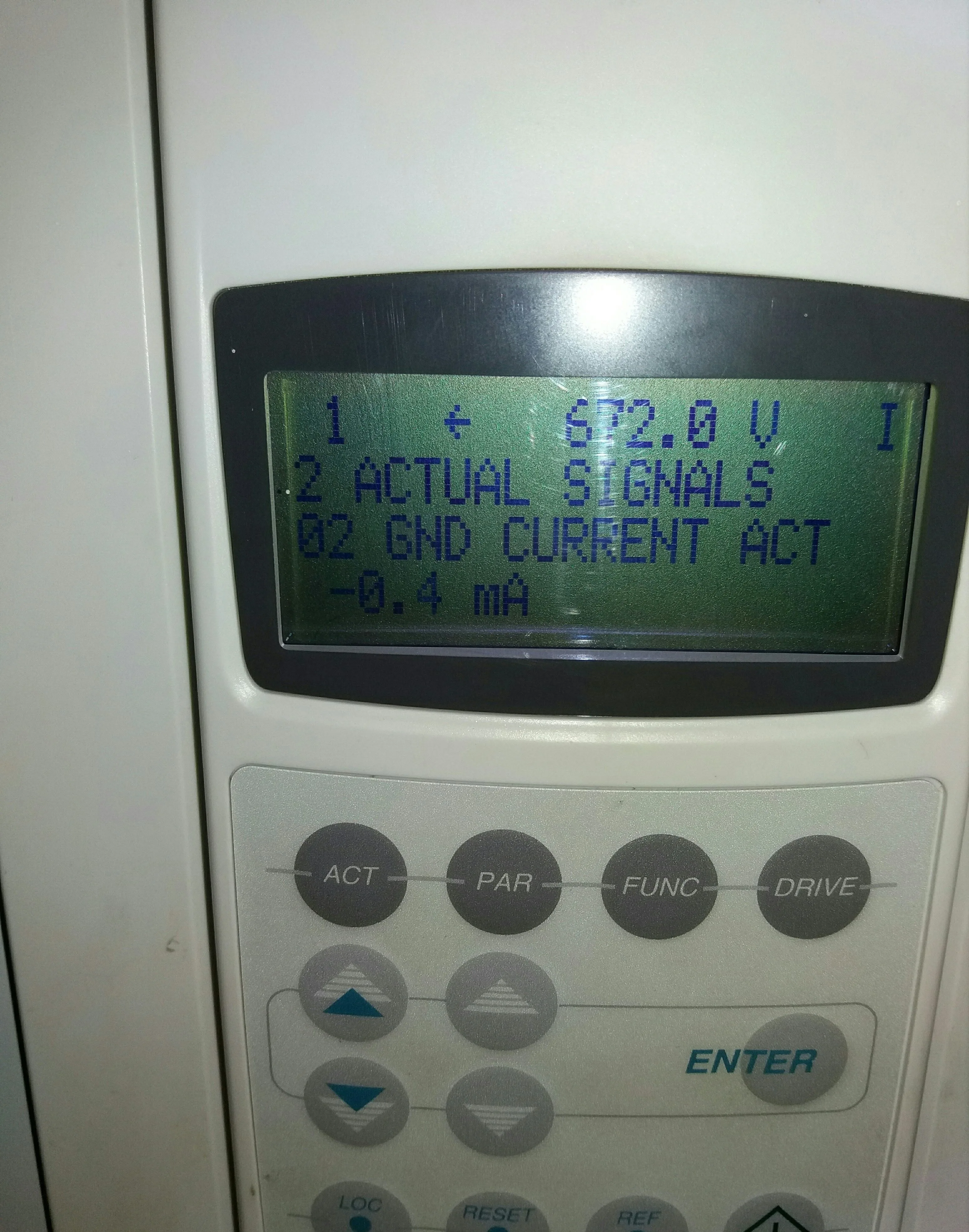
When protection thresholds are exceeded, the inverter trips deliberately. These events are often misdiagnosed as inverter faults.
In reality, they are symptoms of poor grounding quality.
Why Poor Earthing Reduces CUF Over Time
Capacity Utilization Factor is based on annual energy output relative to installed capacity. It is sensitive to cumulative availability losses.
Earthing-related issues rarely cause long outages. Instead, they cause frequent short-duration interruptions that are easy to overlook.
Over a year, these small losses accumulate into measurable CUF reduction.
This effect becomes visible when evaluated using a CUF / PLF calculation
Why MPPT or Better Modules Cannot Fix Earthing Problems
MPPT algorithms optimize voltage and current at the inverter input. They improve energy extraction under variable irradiance and temperature.
They do not stabilize grounding reference or suppress leakage current paths.
Even the most efficient inverter will trip if earthing conditions are unstable. This is why plants with high-quality modules and modern MPPT inverters still underperform when grounding is ignored.
Common Earthing Mistakes in Underperforming Solar Plants
- Ignoring soil resistivity variation during design
- Corroded or damaged earth conductors
- Excessively long earthing paths increasing impedance
- Improper bonding between AC and DC grounding systems
These issues often remain within basic compliance limits. Their impact appears gradually as reduced availability and degraded performance.
Standards Compliance Does Not Guarantee Performance
Electrical standards define minimum safety requirements. They do not account for site-specific soil conditions, corrosion rates, or aging effects.
A plant can be fully compliant and still lose measurable energy due to grounding degradation.
How Performance Engineers Should Evaluate Earthing Impact
Earthing should be evaluated alongside inverter trip logs, leakage current alarms, and availability data.
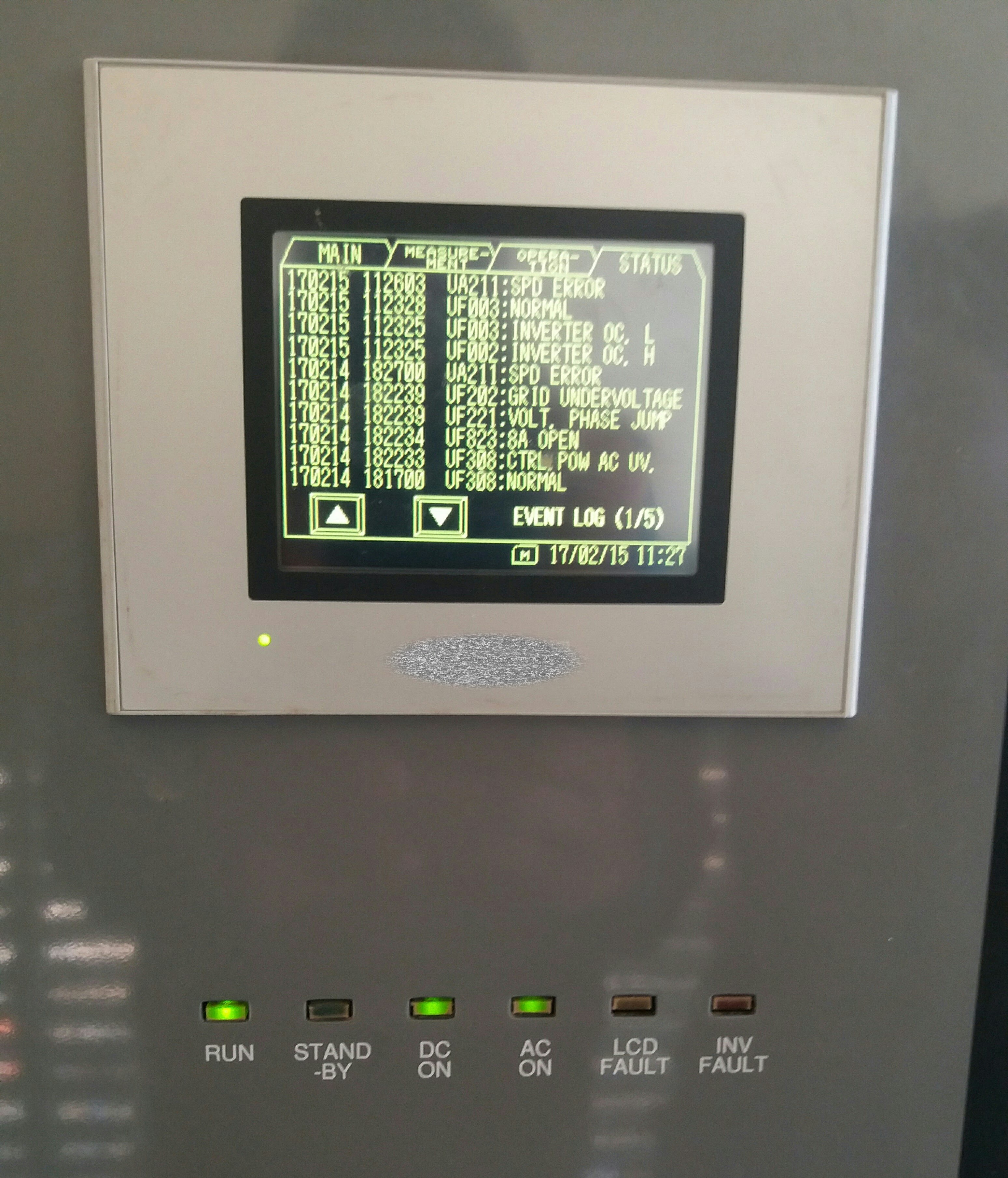
PR deviations must be correlated with electrical protection events after isolating thermal, soiling, and degradation losses.
Only then can grounding-related performance losses be identified accurately.
This separation is possible using degradation and insolation corrected CUF analysis
When Earthing Is a Design Issue vs an O&M Issue
Design-related earthing issues include soil resistivity mismatch, insufficient earth electrodes, and layout constraints.
O&M-related issues include corrosion, loose connections, damaged earth pits, and bonding failures.
Identifying the category determines whether corrective action requires redesign or maintenance.
Engineer’s Verdict
Earthing is not an accessory in a solar power plant. It directly influences inverter behavior, availability, and long-term performance metrics.
When PR drops cannot be explained by temperature, irradiance, or degradation, grounding quality should be one of the first systems investigated.
Frequently Asked Questions
Can poor earthing reduce Performance Ratio even if the inverter never fails?
Yes.
Poor earthing causes repeated short inverter trips due to leakage current and ground fault protection. Each trip reduces availability. PR drops quietly without any permanent fault.
Why do modern solar inverters trip more often due to earthing issues?
Modern inverters continuously monitor leakage current and ground reference stability. They have tighter protection thresholds than older designs. As earthing impedance increases, nuisance tripping becomes more frequent.
At what earthing resistance value do inverter leakage current problems start?
There is no single universal limit.
In practice, issues often begin when effective earthing resistance rises above typical design targets of 2–5 ohms. Soil conditions, inverter design, and grounding layout all influence sensitivity.
Why do earthing problems appear as availability loss instead of clear fault alarms?
Most earthing issues cause short-duration protective shutdowns. They reset automatically after conditions normalize.
Over time, these micro-outages accumulate into measurable CUF and PR loss.
Can MPPT optimization or better modules compensate for poor earthing?
No.
MPPT only optimizes DC power extraction. It does not control leakage current paths or ground reference stability. Even high-efficiency systems will underperform with unstable grounding.